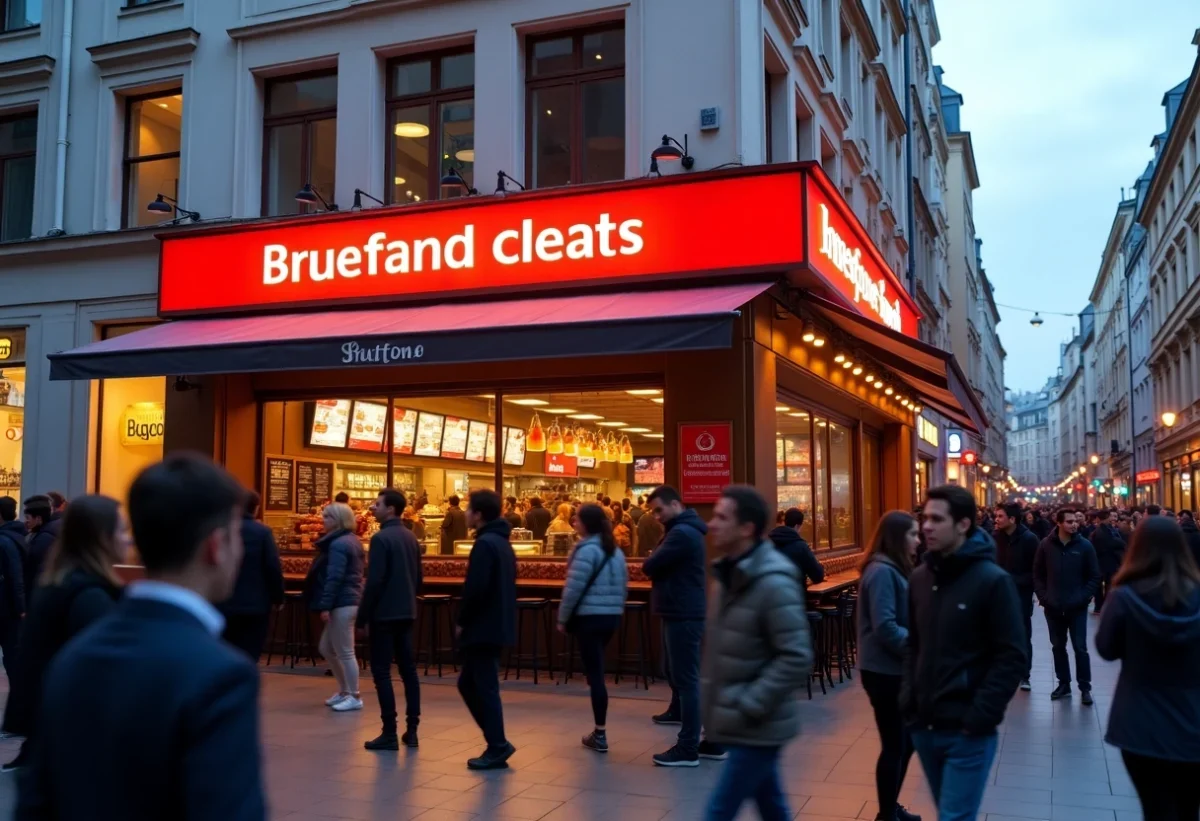
American fast-food chains, symbols of quick and efficient culinary culture, face a series of obstacles as they attempt to establish themselves in the European market. Adapting to local tastes, which are often more refined, and complying with the strict food standards imposed by the European Union complicate their expansion.
The rise of the healthy and sustainable food movement in Europe puts these companies under pressure. European consumers, increasingly concerned about their well-being, prefer more nutritious and ethical options, forcing fast-food giants to rethink their menus and business practices.
Cultural and Regulatory Challenges
The adaptation of American fast-food chains to various European markets represents a real challenge. François Charpy, founder of Food Strategy & Performance and expert in out-of-home dining (RHD), analyzes the markets in France, Great Britain, Germany, Spain, and Italy. He observes that each country presents cultural and regulatory specificities that complicate the establishment of these brands.
Local Culinary Preferences
European tastes often differ from those of American consumers. In France, for example, expectations regarding food quality and diversity are high. Taco Bell France had to adapt its offerings to meet these demands by incorporating local ingredients while maintaining its Mexican identity.
- In Germany, meat consumption is declining, prompting chains to offer vegetarian alternatives.
- In Italy, the local culinary tradition makes it difficult for fast-food dishes to be accepted, as they are perceived as less authentic.
Strict Regulations of the European Union
European food standards impose additional constraints. The Center for Science in the Public Interest, led by Michael Jacobson, highlights the rigorous regulations regarding ingredient transparency and traceability. Chains must comply with these requirements, which are often stricter than those in place in the United States.
Brands must also contend with regulations on packaging and waste management, a fundamental issue in a context where ecology is becoming a major concern for European consumers. 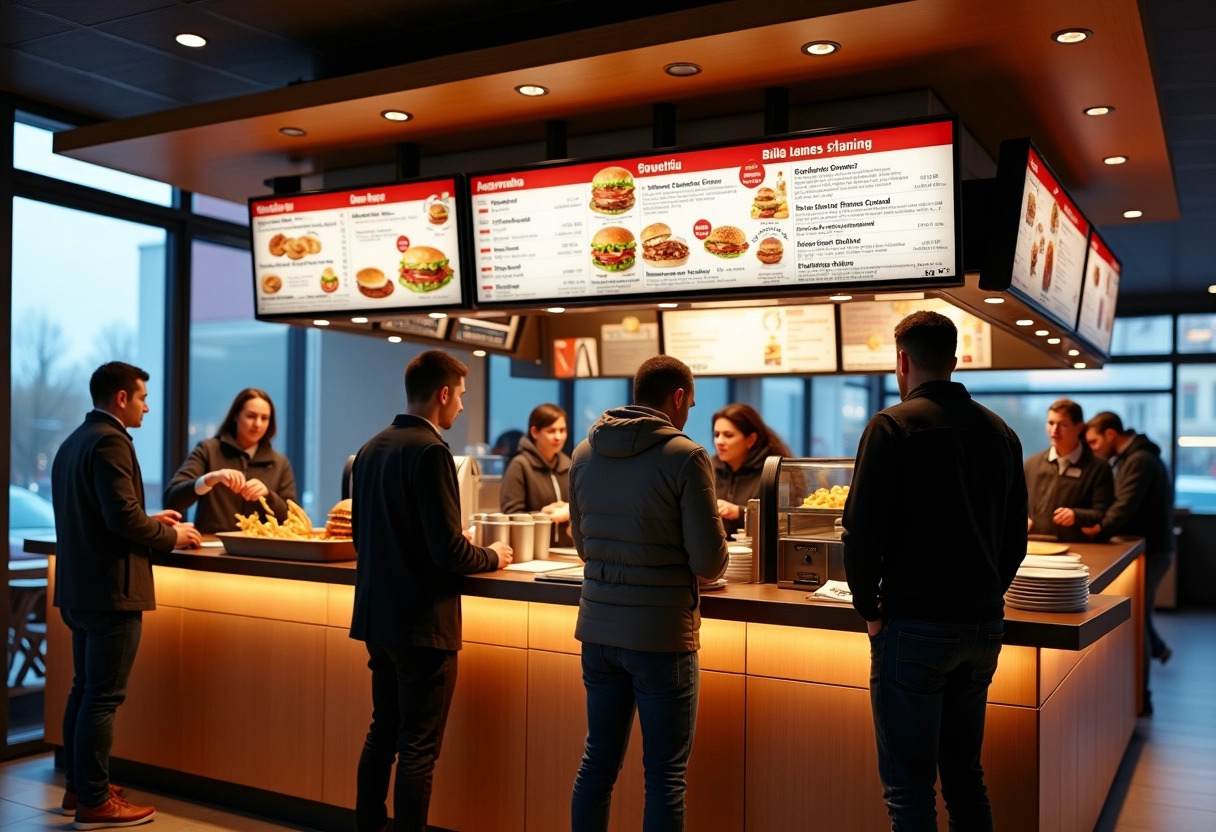
Adaptation and Innovation Strategies
To overcome cultural and regulatory obstacles, American fast-food chains must innovate and adapt. The Groupe Bertrand, present in France, illustrates this strategy. By adapting its menus to local tastes and adhering to strict food standards, this group manages to attract French consumers.
Collaborations and Acquisitions
Expansion in Europe often involves strategic alliances and acquisitions. For example, Restaurant Brands Iberia, already present in Europe, strengthens its position by acquiring local brands. Similarly, McWin and QSRP are multiplying partnerships to gain ground in this complex market.
Product Innovation and Digitalization
Brands are also focusing on product innovation and digitalization to attract a broader clientele and meet new expectations. Columbus, a leader in coffee shops in France, integrates vegetarian and organic options into its menu.
- Personalized menu: adaptation according to local preferences
- Mobile app: online ordering and customer loyalty
- Fast delivery: partnerships with delivery platforms
Digitalization plays a central role. Mobile applications allow for personalized orders and customer loyalty. Fast delivery, in partnership with specialized platforms, becomes an essential service.
Adaptation and innovation strategies are crucial for American fast-food chains wishing to establish themselves sustainably in Europe.