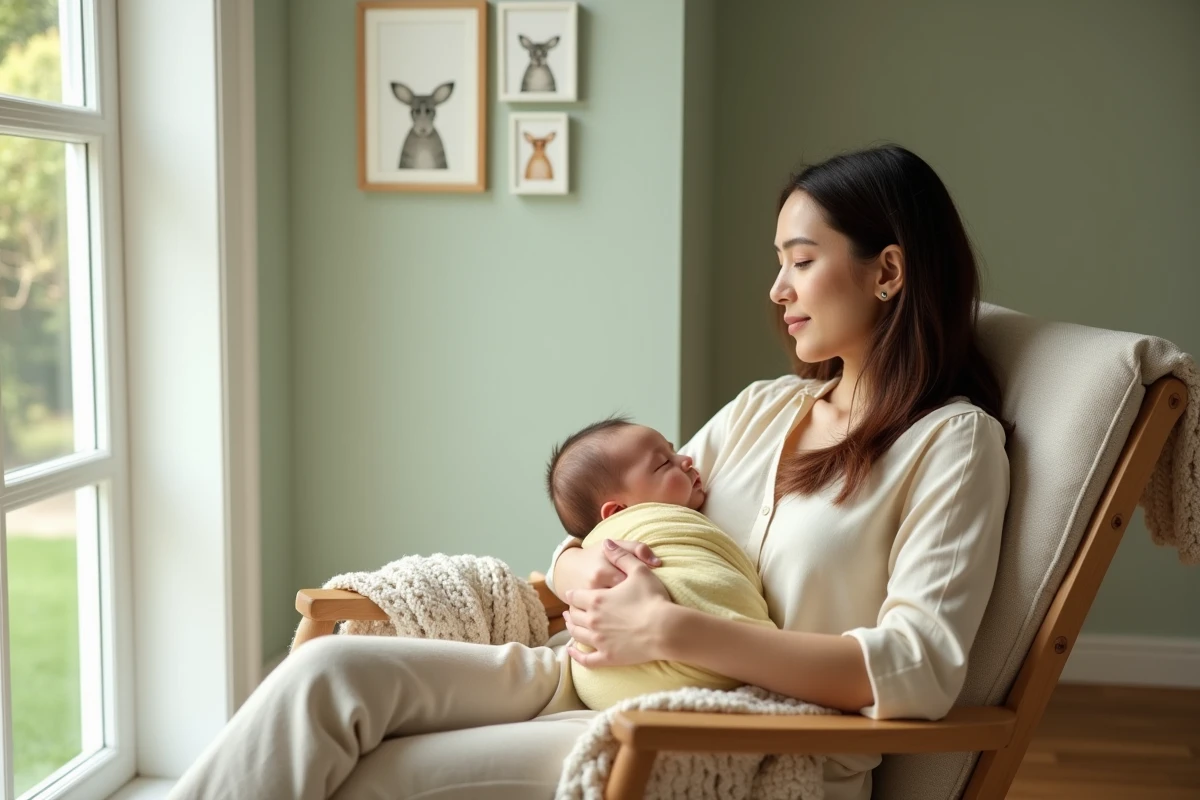
A crying infant after a bath, skin that reddens at the neck fold, a stuffy nose at three in the morning: taking care of your baby daily means managing a series of micro-situations that don’t give warning. The actions seem simple on paper, but their correct execution changes the quality of life for the whole family.
Body temperature and overheating in infants: a signal often misread
We touch the baby’s forehead to check for fever, but overheating often goes unnoticed. The nape of the neck and the upper back are much more reliable areas for assessing an infant’s thermal comfort.
An over-bundled baby sweats at the nape of the neck before showing any visible signs. Indoors, one layer of clothing is sufficient compared to what an adult wears. If a sleep sack is added, the long-sleeved bodysuit should be removed, or vice versa.
At night, the room temperature plays a direct role in sleep quality. You can find baby care tips on E-woman that detail these adjustments throughout the seasons, depending on the weight of the sleep sack and the ambient heating.
Another common pitfall: wearing a hat indoors. After the first hours of life, a continuously worn hat prevents thermal regulation through the skull, which is the main way for heat to escape in newborns.
Baby skin care: what hygiene products won’t fix
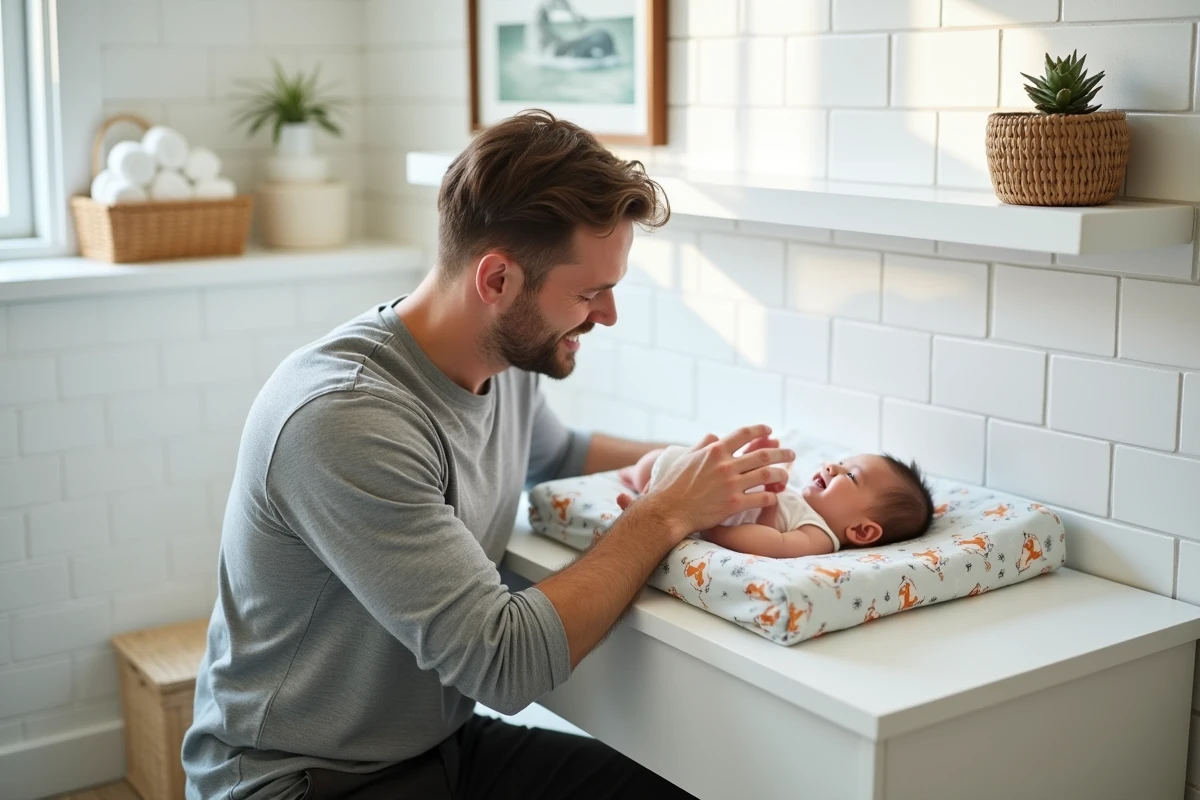
An infant’s skin is significantly thinner and more permeable than that of an adult. Before looking for the right product, it’s essential to reduce irritants: less soap, fewer scented wipes, less friction during drying.
For daily washing of the face and folds, a cotton pad soaked in warm water is sufficient in most cases. Dab, do not rub. Drying is done by placing the towel on the skin without pressing, especially around the neck and behind the ears, where moisture tends to linger.
Baby’s bath: appropriate frequency and duration
A bath every two to three days meets the hygiene needs of an infant who is not yet mobile. Daily bathing is not a medical requirement, and pediatric dermatologists agree on this point: too many baths dry out the skin barrier.
When bathing the baby, a few concrete guidelines help:
- The water should be warm, checked with the elbow or a bath thermometer, never estimated by hand, which quickly acclimates to heat.
- The duration should not exceed ten minutes for a newborn, just long enough for the skin to start cooling down.
- Soap last, just before rinsing, to minimize the product’s contact time with the skin.
Diapers and irritations: the moisture factor
Redness in the diaper area rarely comes from an allergy to the diaper. The main issue remains the prolonged contact between the skin and a wet diaper. Changing the diaper as soon as it is soiled, even at night if the baby is awake, drastically reduces diaper rashes.
ANSES has also alerted on the presence of chemical residues in some disposable diapers, prompting several manufacturers to reformulate their products. Checking the composition on the packaging and favoring fragrance-free options remains a reasonable precaution.
Safe sleep for infants: what should not be in the crib
Public Health France and the AAP (American Academy of Pediatrics) have updated their recommendations for preventing sudden infant death. The central message is clear: the crib should contain nothing other than a firm mattress and a fitted sheet.
Sleep products marketed as “breathable” or “newborn special” (padded bumpers, baby wedges, nests, anti-flat head pillows) increase the risk of suffocation and overheating, even when their marketing suggests otherwise.
Specifically, here’s what should be removed from the crib without negotiation:
- Any stuffed animal, pillow, or loose blanket, regardless of size.
- Baby wedges and crib reducers, including those sold in maternity wards.
- Bumpers, even those made of supposedly breathable mesh.
The sleep sack appropriate for the baby’s weight and the room temperature replaces the blanket. The baby sleeps on their back, in their own sleeping space, ideally in the parents’ room during the first months.
Screens and background noise: an impact on crying and sleep
Since 2023, several pediatric scientific societies (AAP, HAS in France) have strengthened their warnings about passive screens from birth. The often-overlooked point does not concern the baby watching television, but the television left on in the background during care or meals.
This background noise is associated with increased crying, fewer verbal interactions between parent and child, and lower sleep quality in babies under one year old. We are not talking about a few minutes of a video call, but the continuous sound flow of a television or a tablet placed in the room.
Turning off screens during care moments (diaper changes, baths, meals, sleep) is a simple lever. Feedback on this point varies among families, but the basic principle remains to preserve windows of direct interaction with the baby.
Taking care of a baby daily relies less on accumulating products than on mastering a few precise actions: adjusting clothing to the actual temperature, protecting the skin barrier rather than overloading it with cosmetics, and clearing the crib of any unnecessary accessories. It is these practical reflexes, repeated every day, that make the difference.