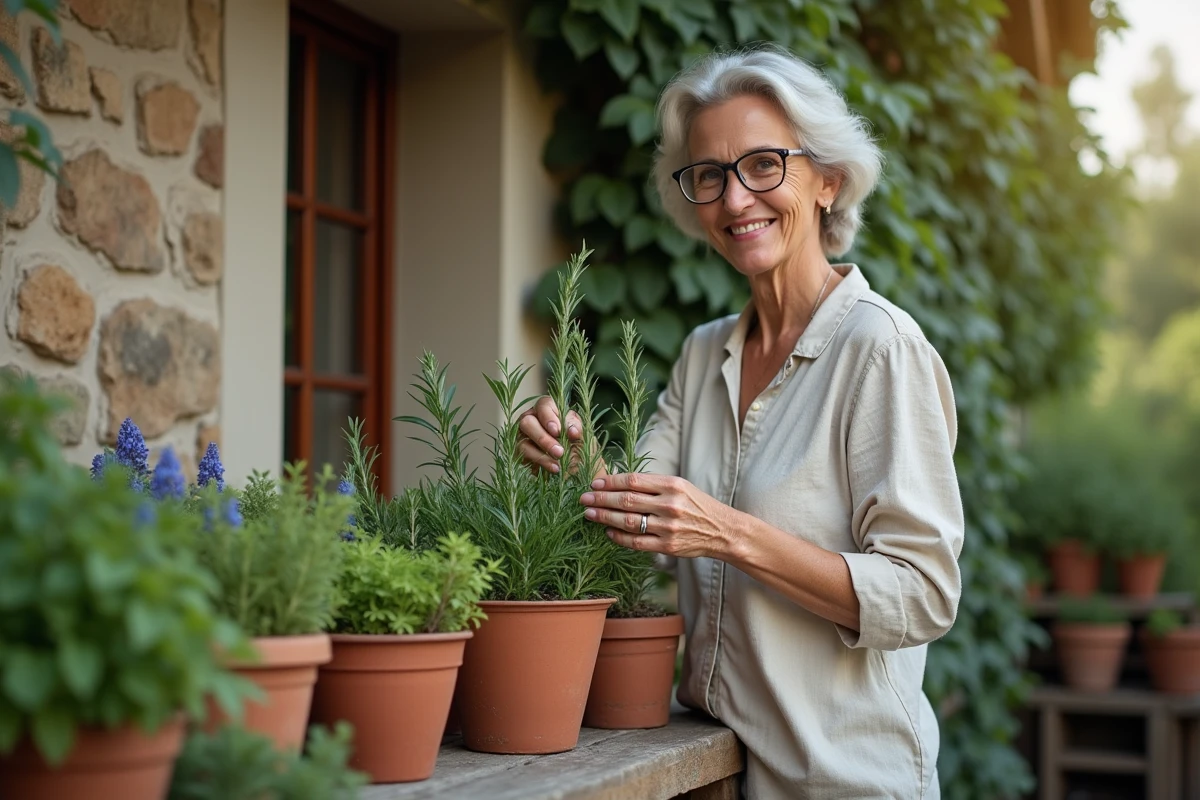
Citrus trees can withstand brief negative temperatures but succumb to stagnant humidity. Heavy watering in summer does not improve rosemary growth; on the contrary, it exposes it to root rot. Oleander tolerates drought, except during flowering when a lack of water reduces the number of blooms. Mediterranean plants combine hardiness with specific requirements, often misunderstood, even by experienced gardeners.
The selection of species, management of irrigation, and choice of mulching are crucial for maintaining their vitality. Ignoring just one of these variables can compromise an entire growing season.
Why are Mediterranean plants so appealing in our gardens?
The Mediterranean garden evokes a rare balance, where elegance meets resilience. Lavender, rosemary, olive, oleander: these plants create understated, powerful spaces where hardiness never overshadows generosity. Their strength? A clear preference for full sun, active tolerance to drought, and a categorical need for draining soil. In exposed gardens, under scorching summers and rare rains, they impose their style without faltering.
What sets them apart is their resilience to dry spells. Their ability to thrive on little water directly addresses current challenges. Less watering, fewer constraints, but no less presence: evergreen foliage, silvery reflections, deep greens, and vibrant blooms that burst forth with the return of fine weather. Even poor, stony, or sandy soils, far from being obstacles, become valuable allies: they limit excessive moisture, deepen rooting, and ensure the longevity of the bed.
Choosing Mediterranean biodiversity means prioritizing low maintenance and thoughtful water management. This model challenges and inspires, inviting us to rethink our habits, to experiment with new ways to create beauty and sustainability, without excess or waste. And to refine your actions or deepen your knowledge, consult the tips for maintaining Mediterranean plants offered on Jamet Espaces Verts.
What varieties to choose for a resilient and colorful Mediterranean bed?
Building a solid Mediterranean bed is not done randomly. It involves associating species with similar needs but varied shapes and colors. The olive tree offers its longevity and stature, the cypress verticalizes the garden line, while palms and fig trees add a touch of exoticism and, for the latter, the promise of delicious fruits.
The shrubs play on diversity: oleander known for its abundant flowering, bougainvillea with vibrant colors, cistus and mimosa, more discreet but equally enduring. These plants brave drought, thrive in poor soils, and ensure your bed’s stability over the long term.
One cannot overlook the aromatic plants: lavender, rosemary, thyme, sage. They scent the air, nourish biodiversity by attracting pollinators and beneficial insects, while remaining indifferent to long periods of dry heat. To enhance structure and originality, introduce succulents and cacti: blue fescue, myrtle, mastic tree, Japanese medlar. All display the same ability to thrive in arid conditions without ever losing their luster.
Here are the different plant families to prioritize for a solid and vibrant bed:
- Trees: olive, cypress, palms, fig
- Shrubs: oleander, bougainvillea, cistus, mimosa
- Aromatics: lavender, rosemary, thyme, sage
- Succulents: succulents, cacti, blue fescue, myrtle
Citrus also deserve their place in this picture, provided that watering is monitored, a filtering soil is favored, and protection against frost in winter is planned. By diversifying species in this way, your garden gains color, hardens against uncertainties, and renews itself with the seasons.
Smart practices to adopt year-round for healthy plants
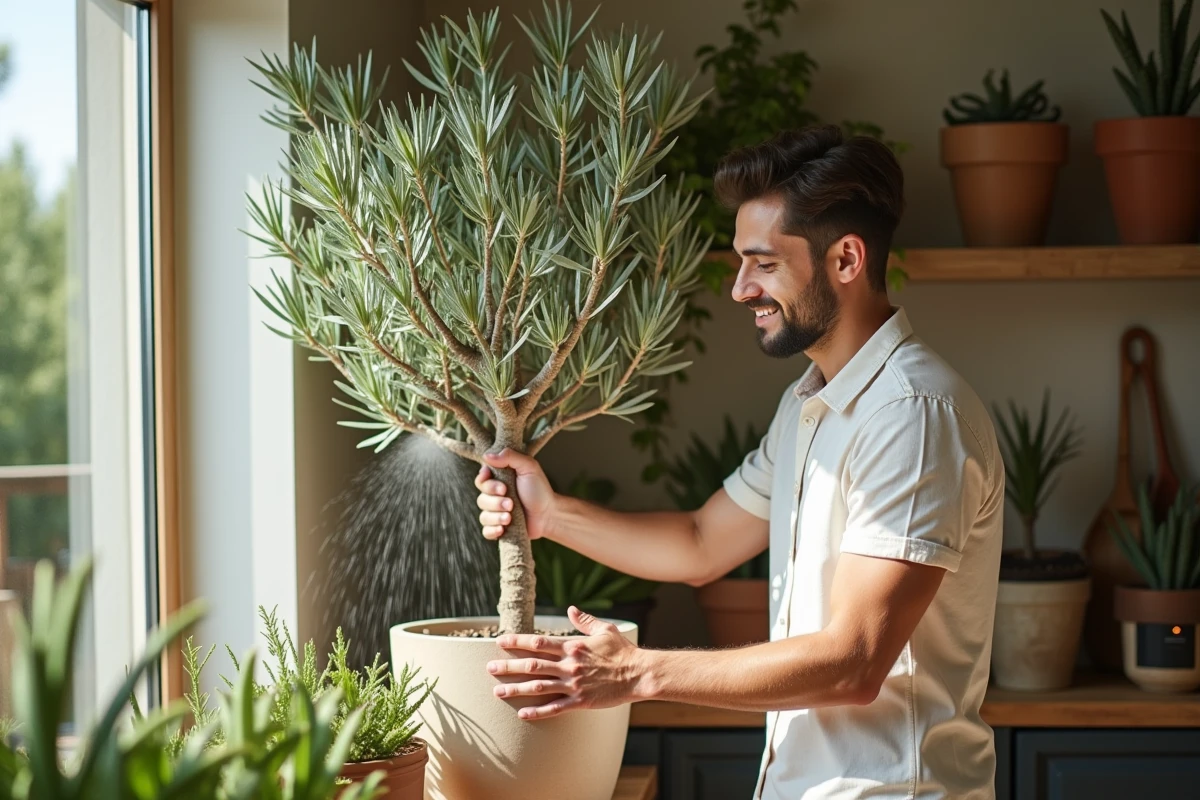
The Mediterranean climate sets its pace. For your plants to thrive through the seasons without faltering, every step matters. Watering, first: it should remain moderate but deep, encouraging roots to dive deep. In summer, prefer to water in the evening, when the heat subsides and the water has time to moisten the soil. Too much moisture, especially in winter, can be fatal; a soil enriched with gravel or pumice avoids this trap and protects the roots.
Mulching makes all the difference. Place a layer of gravel, pumice, or chips at the base of the plants: this cover retains freshness, limits the growth of unwanted weeds, and protects fragile roots from frost. During spring, adding compost or organic fertilizer stimulates growth, particularly for citrus or flowering shrubs.
Mastering pruning is also about shaping the garden. Prune lavender after flowering, oleander and bougainvillea at the end of winter, and olive trees to balance their silhouette. Each pruning should respect the plant’s rhythm, or it risks weakening flowering. In winter, reduce watering and protect the most delicate subjects under a winter cover or in a cold greenhouse. Finally, keep an eye out: regularly remove dead leaves, aerate the beds, and respond quickly to any signs of disease or pests.
Over the months, these simple actions accumulate, forging a resilient, robust garden that yields neither to drought nor cold snaps. Mediterranean plants do not demand the impossible; they just require us to know how to read and understand them. The result? A living, changing decor that endures through the years with effortless elegance. Who would have thought that poor soil or rare rain would turn out to be such faithful allies?