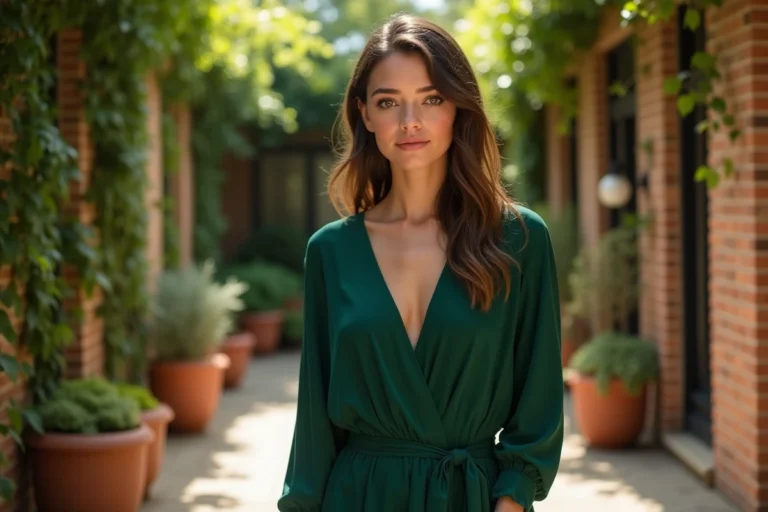
Television presenters, iconic figures on our screens, exert a notable influence on the perception of fashion and clothing trends. True icons scrutinized by millions of viewers, their style often becomes the subject of discussions, admiration, or criticism. Their clothing choices can inspire and influence the public’s purchasing behavior. Indeed, a dress or accessory worn during a show can become an instant object of desire. This dynamic underscores the importance of fashion in the television industry and its impact on the clothing sector beyond the sets.
Behind the Screen: The Impact of Fashion on TV Presenters
In the world of television, the style of TV presenters is far from random or the result of a personal choice left to the whims of the morning breeze. The small screen, a reflection of society, is also a powerful echo of current trends. The styling of media figures, particularly within influential channels such as France Télévisions, is the work of fashion professionals who orchestrate each appearance like a true television fashion show. The outfits of presenters become showcases of television fashion, conveying images and styles that resonate beyond the studios.
Analyze the impact of fictional characters such as Villanelle in ‘Killing Eve’ or Renata Klein in ‘Big Little Lies’, whose outfits triggered an increase in searches on platforms like Pinterest and Lyst. These characters have transcended the screen to influence fashion, proving that there is a strong correlation between TV characters and fashion trends. Presenters, like Caroline Roux, are not exempt from this phenomenon; they share the ability to influence the style and clothing expectations of their audience.
The question ‘Who is dressing Anne-Elisabeth Lemoine tonight’ reveals the public’s interest in the behind-the-scenes of television production and the curiosity surrounding the brands and designers behind the clothing choices of presenters. The latter, like the journalists of ‘C dans l’air’ or other French news outlets, are often dressed by professional stylists. These collaborations between television presenters and fashion brands are a means of styling that shapes and sometimes launches new trends.
In the face of criticism, Caroline Roux defended freedom of dress, reminding that quick judgments on television outfits should not overshadow women’s freedom to dress as they wish. Her style, often at the heart of debates, illustrates the tension between public expectations and personal expression. This raises a fundamental question: is fashion a tool of empowerment or a constraint for those under the spotlight of France 5 and other television channels?
Live Fashion: How Presenters Influence Trends
The digital age has made live fashion more tangible than ever. On television sets, presenters like Caroline Roux become the ambassadors of the current clothing trend, their influence measured in real-time through reactions on social media and platforms like Pinterest and Lyst. The effect is tangible: an outfit worn during a show can become an instant topic of enthusiasm, with viewers eager to adopt the style of their media icons.
This phenomenon intensifies during major events like Fashion Week, where presenters often showcase pieces directly from recently unveiled collections. This carefully curated styling, reflecting a close collaboration between fashion brands and journalists, offers unparalleled visibility to creators and contributes to the rise of certain trends. The Caroline Roux style, characterized by its elegance and refinement, is thus scrutinized and often emulated, proving that fashion is not just a matter of runways, but also permeates the daily lives of the French.
Freedom of dress then becomes a significant issue for these information professionals, faced with an audience eager for fashion but also quick to judge. Caroline Roux, confronted with criticism over her clothing choices, has managed to defend her right to style autonomy, reminding that behind the cameras, presenters are primarily women free in their choices. This debate between individual freedom and media influence is part of a broader dynamic, where television and fashion maintain a symbiotic relationship.
The influence of the media on fashion thus finds one of its most powerful vectors in the small screen. Presenters, as leading figures in this mediation, assert themselves as major players in the dissemination of trends. Their outfits, scrutinized, commented on, and often imitated, demonstrate that television fashion is a theater where the future of fashion is played out live.