Between the resilience of the beauty sector in the face of a decline in clothing and the arrival of AI-driven skin analysis tools, beauty shopping trends are shaping a rapidly changing purchasing landscape. Which segments are progressing, which are stagnating, and what criteria should guide choices among new makeup, skincare, and beauty-tech products?
Beauty-tech and LED masks: how the technological shift changes the average basket
Competitors are focusing on product lists. None are addressing the transformation of the shopping journey through technology. Yet this is the standout fact of the period: AI is restructuring beauty shopping, from online skin analysis to personalized routine recommendations.
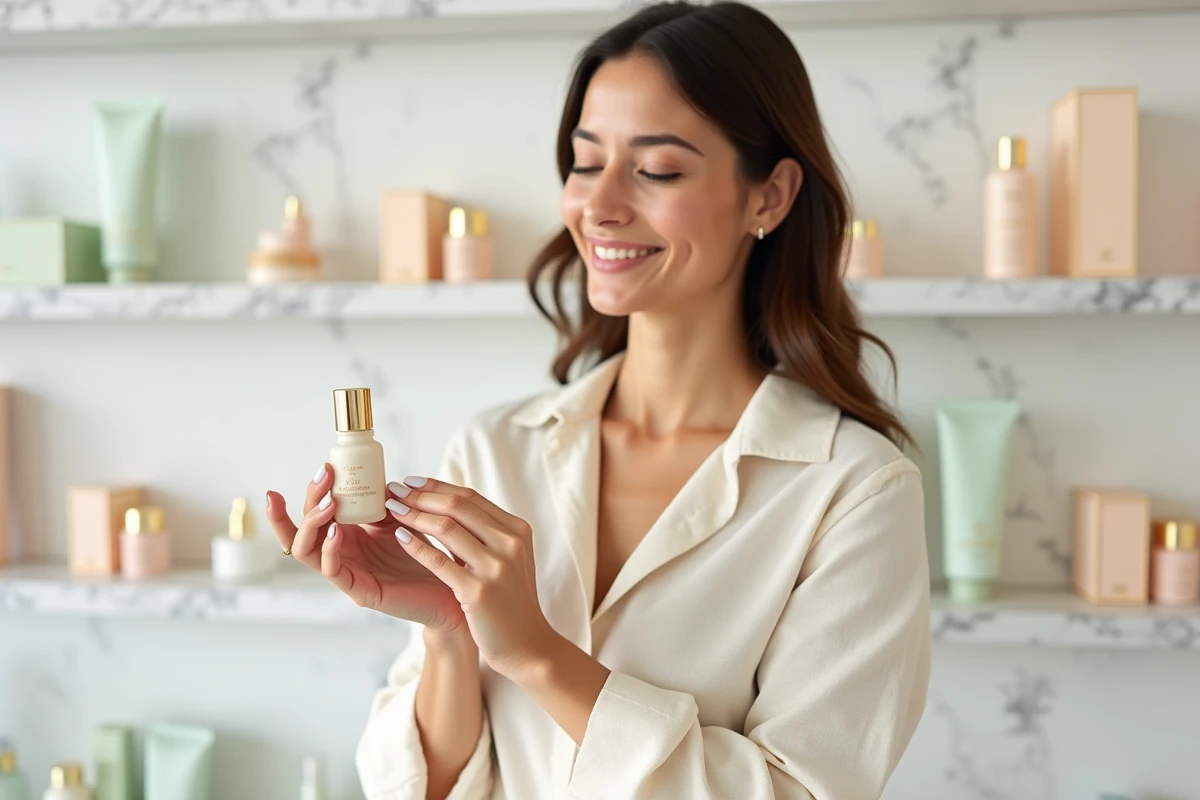
Personalization tools now allow for targeting a serum or foundation based on an automated skin diagnosis. It is no longer a gadget reserved for premium sites: most major brands are integrating this type of functionality into their online shopping journey.
Meanwhile, LED masks are moving from the gadget category to becoming a common beauty-tech purchase. Their distribution is accelerating across several markets, driven by steadily increasing demand. For an average basket, this means an additional spending item, positioned between daily skincare and professional devices.
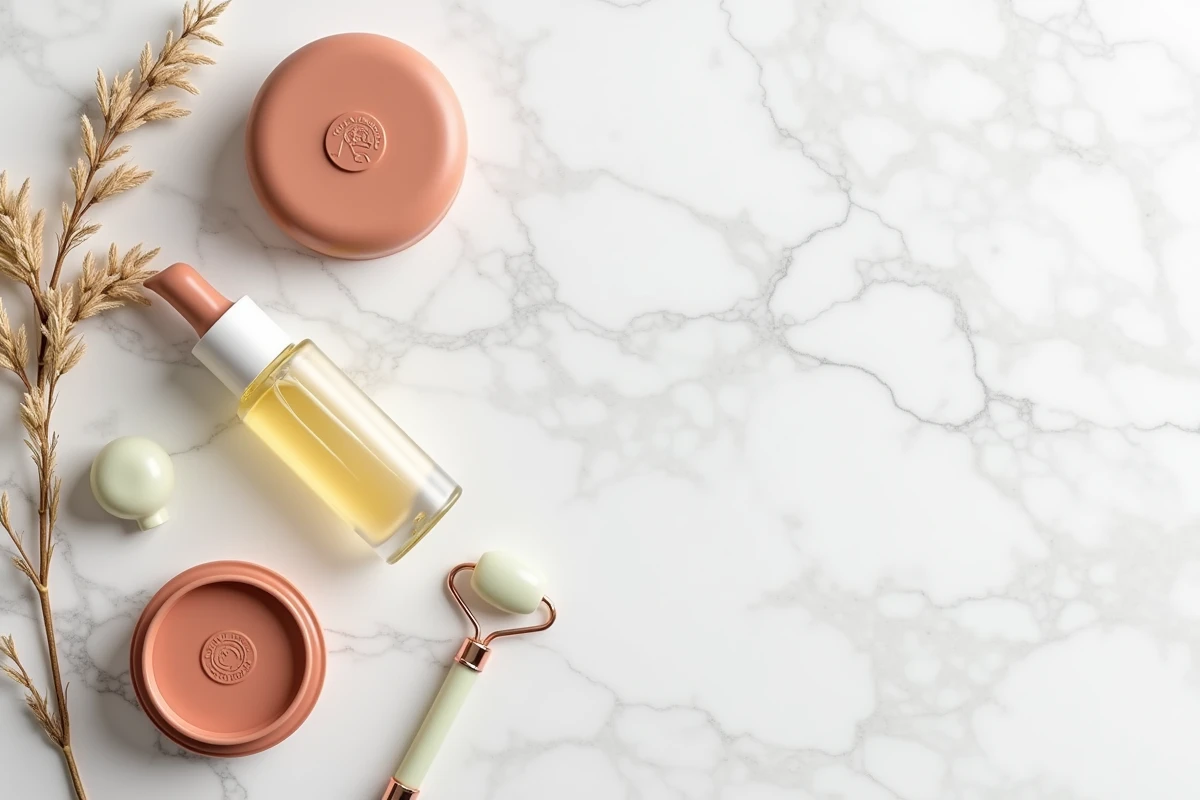
Among the new products on Style Beauté, several references illustrate this technological upgrade in skincare routines.
Makeup, skincare, and perfumes: a comparative table of categories that resist
Beauty is faring better than other retail segments in a cautious consumption context. Clothing is declining more sharply, while beauty and perfumery remain relatively stable. This differential deserves a category-by-category look.
| Category | Buying Dynamics | Main Factor |
|---|---|---|
| Makeup (blush, multifunction sticks) | Stable to upward | Portable formats, accessible pricing |
| Facial Care (serums, skincare routines) | In progress | AI personalization, targeted actives |
| Perfumery | Resilient | Pleasure purchase, refillable bottles |
| Beauty-tech (LED masks, devices) | Strongly increasing | Price democratization, perceived effectiveness |
| Clothing (for comparison) | Declining | Unfavorable budget arbitration |
Beauty captures an increasing share of personal budgets at the expense of fashion. This spending shift partly explains why beauty brands are multiplying launches in high-value segments (concentrated serums, refillable formats).
Trendy products and selection criteria: what distinguishes a sustainable purchase from a passing fad
Social media accelerates the rotation of star products. A cream blush can explode on TikTok, then disappear from conversations within weeks. To avoid impulsive purchases, several criteria can help filter sustainable beauty trends.
- The versatility of the product: a multifunction stick usable as blush, on lips, and eyelids justifies its price better than a single-use product
- Compatibility with an existing routine: a vitamin C serum or a cleansing balm fits into almost any skincare routine, unlike a highly specialized treatment
- The refillable or portable format: brands offering refills reduce repurchase costs and limit packaging, a criterion increasingly decisive for Gen Z shoppers
Gen Z expects a brand with which it shares values, not just a high-performing product. This shift moves the trend from “viral product” to “product with brand identity.”
Serums and concentrated actives: the segment driving skincare upward
High-concentration active serums (pure vitamin C, niacinamide, hyaluronic acid) dominate launches. The formula of Mimar’s Ultra Vit C Concentrate, with 15% pure vitamin C concentration, illustrates this race for precise dosages.
This type of product targets specific concerns: hyperpigmentation, wrinkles, radiance. The price per milliliter is higher than a standard treatment, but the duration of use often compensates for the difference.
Pop-up stores and physical activations: beauty shopping moves off screens
Activation formats are shifting towards physical experiences. The proliferation of pop-up stores and creative events, particularly in Paris and Île-de-France, reflects a need to test products before purchase.
This return to physical points of sale does not contradict the rise of digital. It complements it. The beauty shopping journey now combines online diagnosis and in-store testing. Brands that orchestrate both channels capture a broader clientele than those relying on a single lever.
Selection and brands to watch
Among the brands embodying this dual approach are established players (Guerlain with its refillable bottles, Clinique with its cleansing balms that have become references) and emerging brands focused on inclusive beauty or locally made products.
- Mimar: skincare made in Canada, founded by women, high-concentration serums
- Kosas: creamy multifunction sticks, “clean” makeup
- Rare Beauty: accessible products, Gen Z positioning, recently launched lifting gel for brows
- Les Secrets de Loly: hair care for natural hair, strong community on social media
Beauty shopping in 2026 reads less like a list of products to buy and more like a trade-off between categories. Skincare and beauty-tech are gaining ground over classic makeup, and the choice of a brand weighs as much as the choice of a product. Shoppers who filter by versatility, refillable format, and compatibility with their existing routine make the most sustainable purchases.