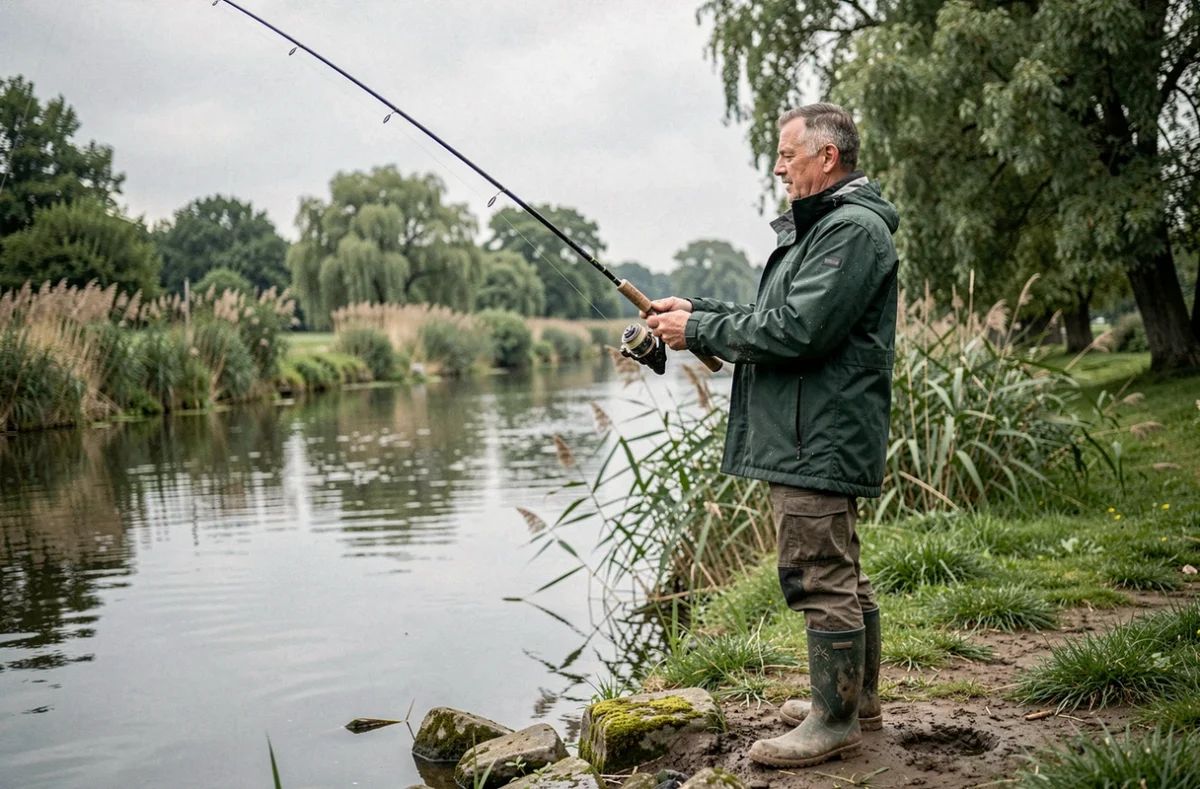
Fishing in Belgium requires juggling regulations that vary from region to region, from stretches managed by local societies to sometimes strict rules, and terrain conditions that can differ significantly between a Flemish canal and an Ardennes river. Succeeding in a fishing trip here demands specific preparation that general guides do not cover.
Fishing License in Belgium: The Trap of Double Authorizations
The regional Walloon or Flemish license is not always sufficient. On some non-navigable waterways in Wallonia, a card from the local society holding the fishing rights may be required in addition to the regional license. Access conditions vary from one section to another, even on the same river.
This point is the primary cause of failed outings for anglers discovering Belgian territory. A fishing society may temporarily close its stretch without this information appearing on the official channels of the Region. Before each outing, a direct call to the local society remains the most reliable way to confirm access.
The rules between Wallonia and Flanders are not transferable. Opening periods differ according to species and area. An angler accustomed to Walloon dates for trout may find themselves outside the legal framework on a Flemish stretch. We recommend systematically checking the regulations applicable to the specific location of the outing, not just to the region.
To find equipment suited to the techniques practiced on Belgian waters, the Angel Sport website offers a catalog tailored to the needs of active anglers in Belgium and neighboring countries.
Local Regulations of Belgian Water Bodies: Equipment and Practices Governed
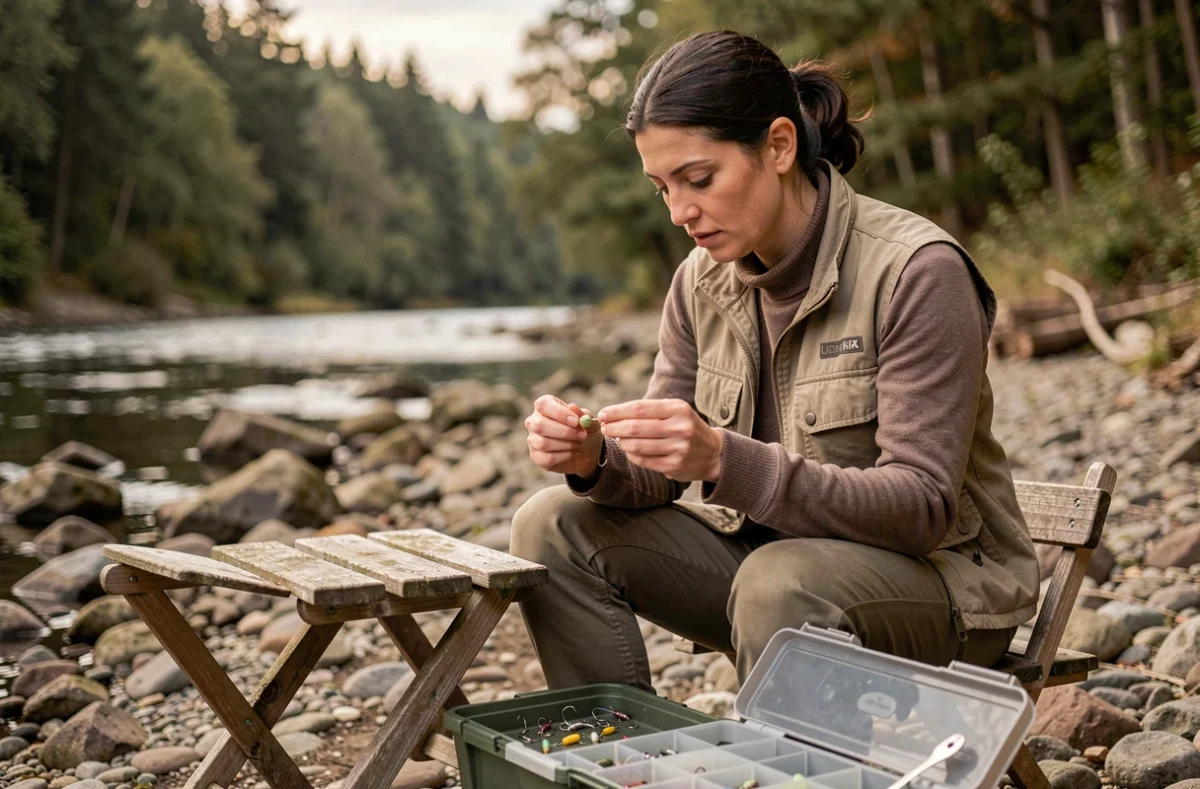
On water bodies managed by federations or clubs, restrictions go well beyond opening periods. The regulation of the Eendenmeer water body, published by the VBK federation, illustrates this level of detail: prohibition on keeping fish and prohibition of leadcore. This type of constraint on equipment surprises carp anglers used to other countries.
These local regulations also govern catch-and-release practices, the types of baits allowed, and sometimes fishing hours. Ignoring these guidelines exposes one to exclusion from the stretch or even a fine.
Before setting up your lines, consult the site-specific guidelines. They are generally displayed on-site or available on the website of the managing federation. Points to systematically check include:
- Allowed rigs (leadcore, fixed weights, helicopter) and those explicitly prohibited on the targeted stretch
- Catch-and-release policy: mandatory on the majority of water bodies managed in Belgium, sometimes with guidelines on the type of landing mat
- Prohibited baits (some stretches ban boilies or limit the amount of baiting)
- Time slots, especially for night fishing which is often subject to restrictions
Adapting Your Line and Lures to Belgian Waters
The Belgian plains’ canals and rivers often present tinted water with reduced visibility. In these conditions, the choice of lure relies more on vibrations than on visual appearance. Soft lures with blades or crankbaits with internal balls produce more consistent results than realistic imitations designed for clear waters.
For pole fishing, which remains the dominant technique on Belgian canals, the diameter of the hook link deserves special attention. White fish (roach, bream) are often educated by fishing pressure. Reducing the hook link diameter by a hundredth can transform a difficult session into a success.
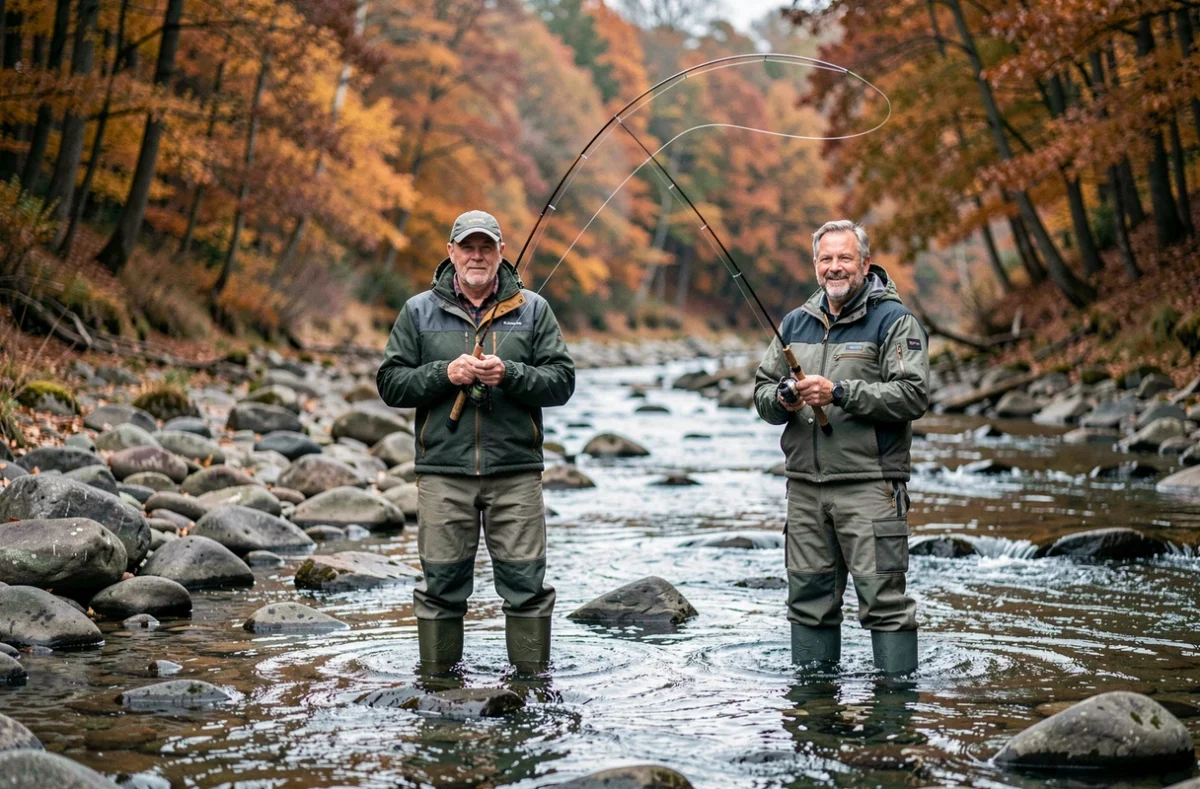
In the Ardennes, the waterways are faster and clearer. Trout there require a discreet approach with fine lines and smaller lures. Adapting the weight of the lead to the actual current, not to what one imagines from the bank, is part of the adjustments that separate a productive outing from a blank.
Smaller Baits, Better Coverage
For carp as well as white fish, reducing the size of the bait increases the area covered with the same amount of mix. Two small diameter boilies disperse the olfactory signal over a larger area than a single large ball. Fish spend more time foraging, which mechanically increases the chances of a bite.
Weather and Spot Selection: What Changes in Belgium
The Belgian climate imposes rapid variations in atmospheric pressure, sometimes several times in the same day. Fish react more to changes in pressure than to air temperature. A rapid barometric drop often halts activity, while stabilization after a rainy front can trigger bites.
Positioning oneself facing the wind remains a solid principle, even in Belgium. The wind pushes natural food towards the exposed bank and oxygenates that area. Experienced carp anglers know this, but pole fishermen often neglect this parameter by choosing a sheltered spot for comfort.
On the large Flemish canals, commercial navigation creates an additional factor. The passage of barges generates eddies that temporarily displace fish. Fishing just after the passage of a convoy, when the fish return to their spot, can be more productive than enduring the waves during the action.
Keeping a Fishing Diary to Progress on Belgian Waters
Recording the conditions of each outing (atmospheric pressure, water temperature, water level, baits used, spots tested) allows for identifying patterns on a given stretch. A regular fishing diary is worth more than ten articles of general advice.
Belgian waters react predictably to certain factors if one takes the time to document them. The level of the canals, influenced by locks and hydraulic management, follows cycles that only regular observation allows one to master.
Fishing in Belgium rewards preparation and administrative rigor as much as pure technique. Checking the license, calling the local society, reading the regulations of the stretch: these unremarkable actions make the difference between a day by the water and a successful fishing day.