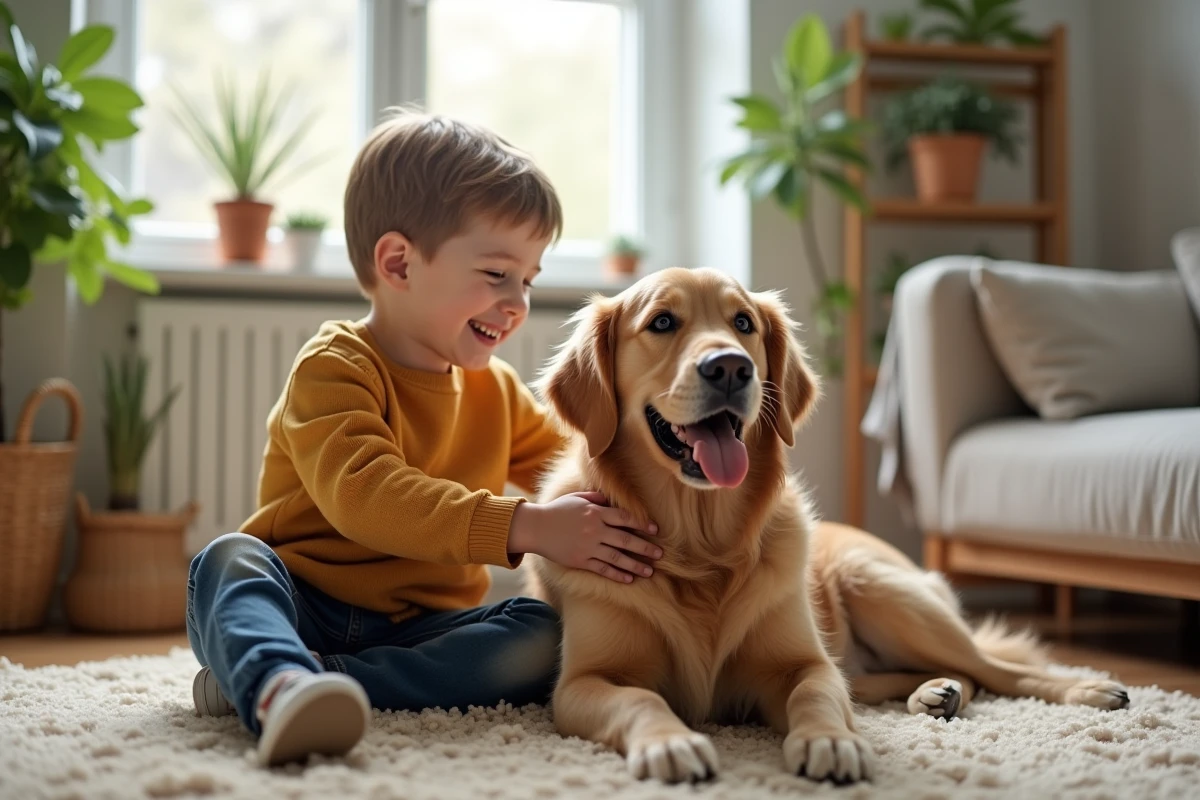
15,000 years of cohabitation is not something that can be invented. Man and dog form an unmatched duo, while the ferret only joined the domestic sphere in the Middle Ages, on the lookout for rodents in attics. However, domestication does not erase everything: some animals retain raw reflexes from their wild ancestors, sometimes completely out of sync with modern life.
Legislation sets a clear framework: living with an animal involves rights, but also limits. While some companions are strictly prohibited at home, others, like the guinea pig, win hearts with their kindness and ability to adapt to our daily rhythms. This gap between species is due as much to science as to the journey taken together over the centuries and the randomness of DNA.
Pets and domestic fauna: what are the essential differences?
Confusing pets with domestic fauna happens often. Yet, their roles are not the same: one shares the couch, while the other watches over the stable or the farmland. Dogs, cats, rabbits, or ferrets occupy a unique place in our homes, sometimes becoming confidants, sometimes playmates. Chickens, goats, or horses, on the other hand, shape rural life and actively participate in the family economy.
Behind the walls of a farm or in the comfort of an apartment, animal diversity reflects our aspirations: to feed, accompany, and reassure. A hen provides eggs every morning while asserting its place in the yard. The horse alternates between pulling and galloping on the grass, sometimes a tool, sometimes a companion. Even the ferret, a discreet hunter of the past, is now part of the daily lives of several families, illustrating our ability to redefine the place given to animals.
For those who wish to delve deeper into the subject or discover other species and their roles, simply learn more at La Maison des Animaux.
Understanding the specific behaviors and needs of each species
A cat does not approach life like a dog. Birds do not organize themselves like rabbits. Each species has its behaviors, signals, codes, and needs to decode daily. Observing your companion means noticing day after day what makes them feel good or, conversely, what they react negatively to. This constant care builds a strong and lasting relationship.
To leave nothing to chance, pay particular attention to the following aspects:
- Nutrition: Rabbit, dog, duck, ferret, each requires a diet suited to its body, age, and activity level. Nothing is improvised; everything is adjusted.
- Animal health: Regular observation and the informed opinion of a veterinarian help prevent diseases, as well as recognize signs of discomfort or anomalies.
- Positive training: Encouraging rather than constraining, learning in trust: this is how dogs, horses, or small animals progress, with each advancement reinforcing the bond.
Seeing your cat stretch in a sunbeam, a horse respond to your voice, or a parakeet diligently building its nest is witnessing the expression of their individuality. The key lies in respecting their natural rhythm and a personalized approach, far from obligatory passages and preconceived ideas.
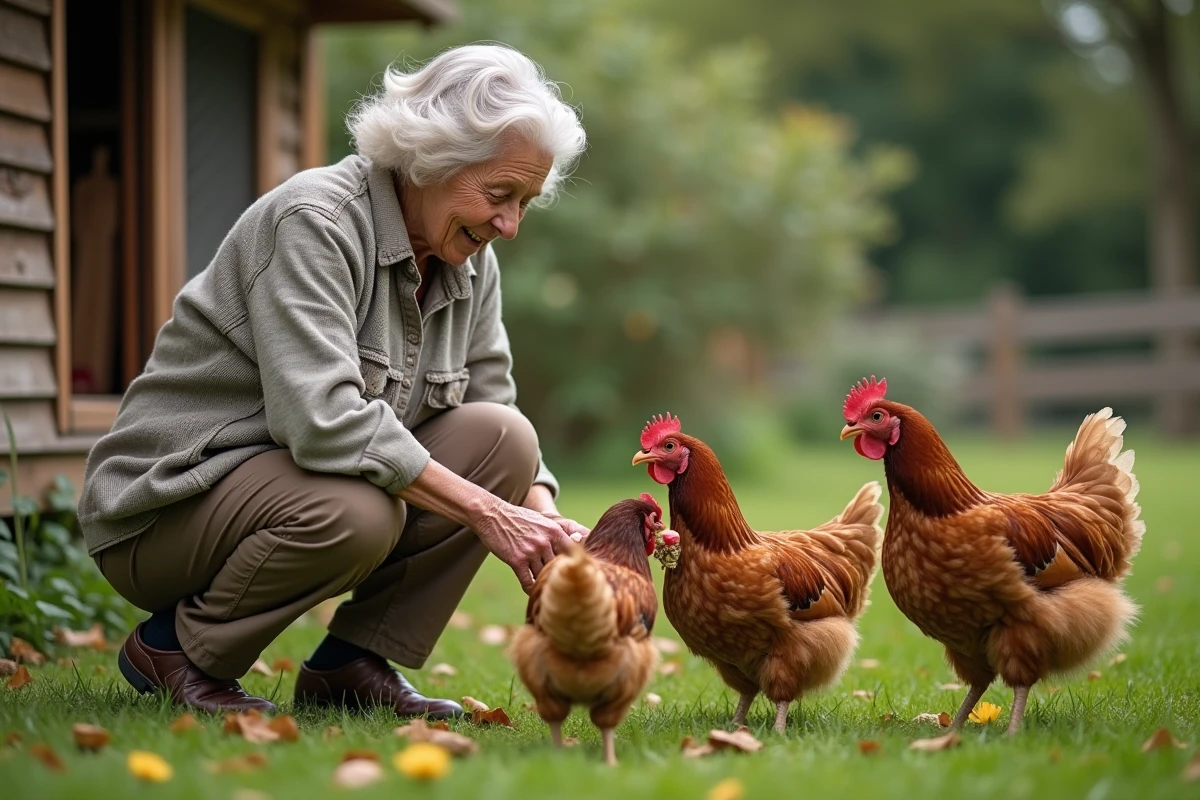
Coexisting harmoniously with animals: tips and discoveries to enrich your daily life
Living alongside domestic fauna, from the independent cat to the jovial duck, means being part of a shared ecosystem. Giving them a place also means committing to caring for their environment and remaining attentive to their balance. This goes beyond simple routine and contributes to the preservation of biodiversity that shines even in our gardens and farms.
For a rich and respectful coexistence, consider these recommendations:
- Watch for signals, even subtle ones: any change in habits, appetite, or behavior deserves your attention and sometimes, an adaptation of your practices.
- Support diversity: valuing each species also means preserving its particularities, cooperating with other enthusiasts, and contributing to conservation efforts.
- Promote comfort and health: provide a secure environment, careful nutrition, and daily attention. This strengthens the harmony and overall well-being of each animal by your side.
To love and respect domestic animals is to cultivate a daily commitment to nature and to pass on this living wealth to those who will come after us. Perhaps, tomorrow, the way we look at our companions will change again the way we share the planet.