In cooking, it is common to need to convert measurements to adapt recipes to our needs or to use the tools we have on hand. Whether it’s converting grams to cups, milliliters to ounces, or Celsius to Fahrenheit, these conversions can seem complex without the right tips.
Fortunately, practical methods and simple tools exist to make this task easier. From mobile apps to conversion charts, as well as mnemonic rules, it is possible to cook calmly without getting lost in the numbers. These tips save time and avoid mistakes, ensuring the success of your favorite dishes.
Understanding and mastering measurement units in cooking
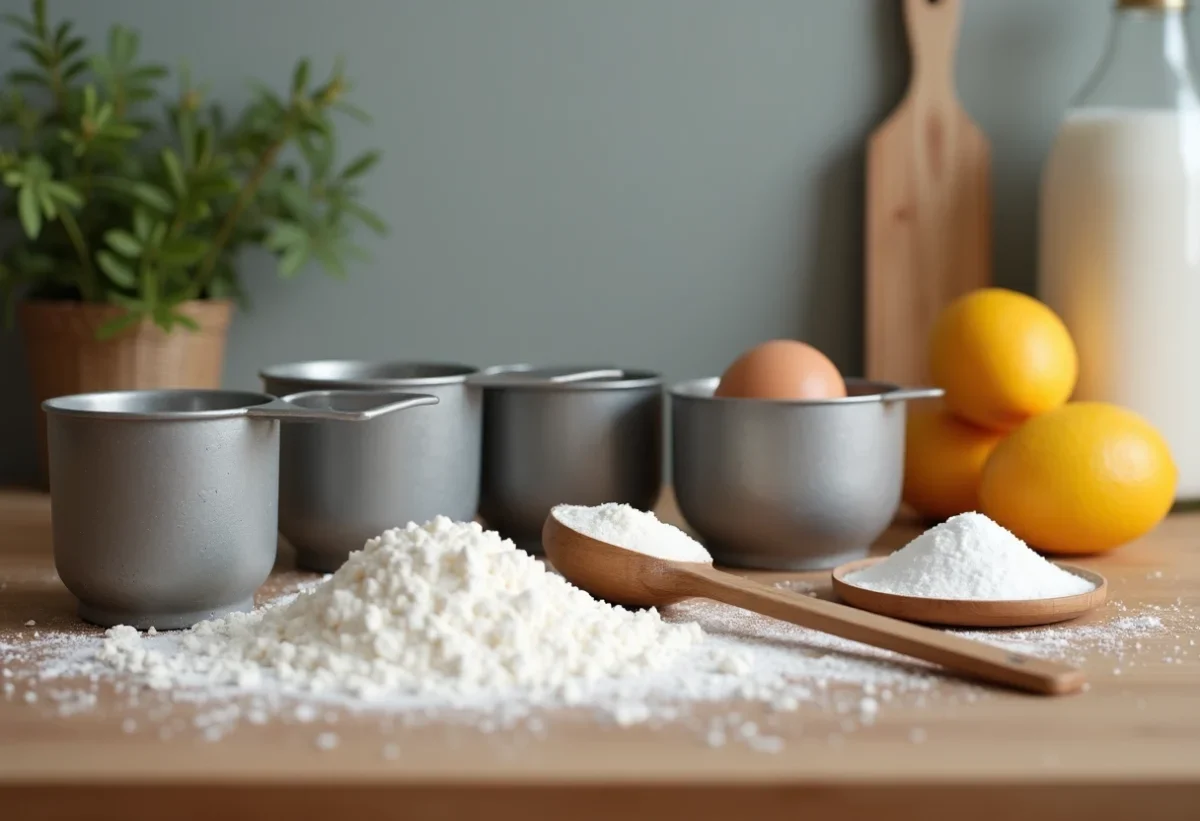
In cooking, recipes use various measurement units to quantify ingredients. Mastering these units is essential for successfully preparing your dishes. The most common units are milliliters, centiliters, grams, kilograms, and liters. Cups, tablespoons, and teaspoons are also frequently used.
Volume and weight conversions
- 1 cup is approximately 240 milliliters
- 1 tablespoon is 15 milliliters
- 1 teaspoon is 5 milliliters
- 1 centiliter is 10 milliliters
These conversions allow you to juggle between units depending on the available tools. For example, if a recipe requires 120 cl in l, know that this corresponds to 1.2 liters.
Using practical tools
To facilitate these conversions, use appropriate tools:
- Kitchen scale: Accurate for measuring solid ingredients
- Measuring cup: Ideal for liquids
- Measuring spoons: For small quantities
These instruments allow for precise measurements and avoid approximations. Additionally, a conversion chart or mobile apps can prove to be valuable allies. To convert units like milliliters to centiliters, these tools provide quick and effective assistance.
Master the conversions and use the right tools to optimize your recipes and ensure their success.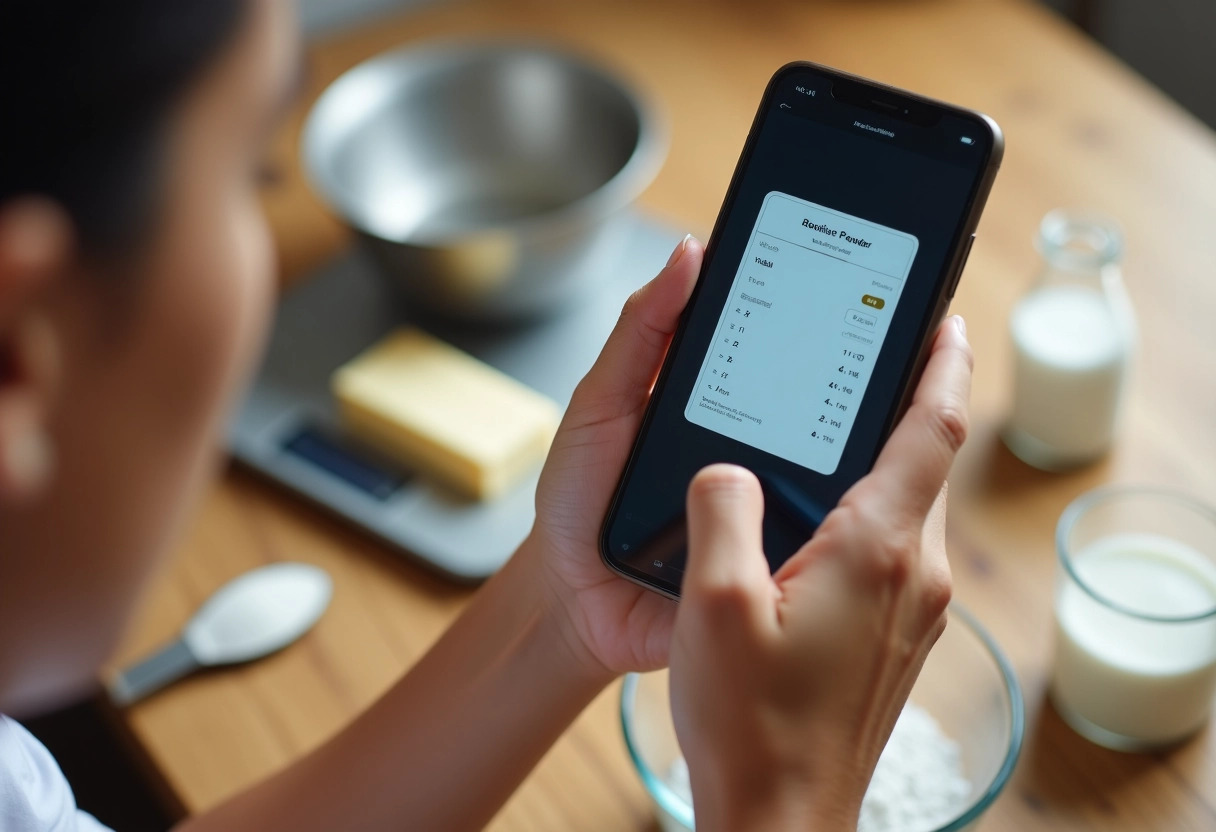
Tips and techniques for precise and effective conversions
To ensure accurate conversions, several techniques and tips are essential. One of the most reliable methods is using a kitchen scale. This tool allows for precise measurement of both solid and liquid ingredients. Prefer a digital scale for increased accuracy.
Using a measuring cup is also wise for liquids. Its clear graduations make measuring milliliters, centiliters, and even cups easier. For small quantities, measuring spoons are indispensable. They allow for precise dosing of tablespoons and teaspoons.
Use a conversion chart to easily convert units. For example, to convert milliliters to grams, a chart will provide the necessary equivalents. These charts are often found online or in the form of mobile apps. The latter offer a quick and effective solution for conversions.
For quick conversions, here are some practical tips:
- 1 cup is approximately 240 milliliters
- 1 tablespoon is 15 milliliters
- 1 teaspoon is 5 milliliters
- 1 centiliter is 10 milliliters
For specific conversions like the yogurt pot used in baking, remember that a standard yogurt pot contains about 125 milliliters. This reference can simplify your recipes without requiring complex measurements.